Dar es Salaam: The Meeting That Went Off the Rails
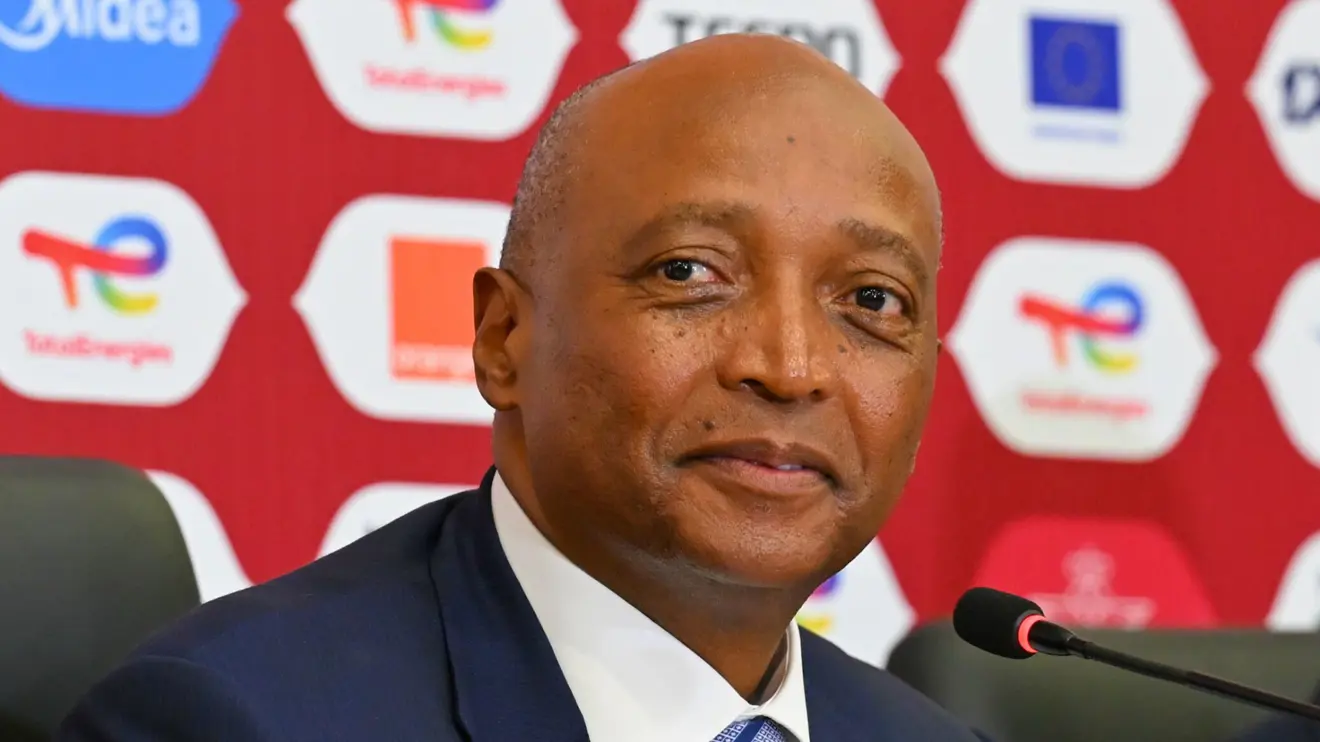
You had to see the scene. In Dar es Salaam, during a strategic meeting of the Confederation of African Football, the unthinkable reportedly happened: a sudden departure, palpable tension, and sharp accusations flying across the room.
CAF President Patrice Motsepe is said to have left the discussions early, visibly irritated. Officially, everything is fine. Unofficially, the atmosphere was electric, ready to ignite. In the corridors, one word kept coming up: refereeing.
The Shadow of Those Who Didn’t Show Up
Among the most striking details: the conspicuous absence of Fouzi Lekjaa, the influential head of the Moroccan federation. No physical presence. No virtual presence. Even a refusal to join by video call. In an institution where people show up when everything is calm, absences suddenly become very loud when the debate becomes uncomfortable.
Another absence raised: Véron Mosengo-Omba, CAF Secretary General. In a meeting where refereeing reportedly sat at the center of criticism, his silence is said to have fueled speculation. A coincidence? Perhaps. But across Africa, people often say silence can be louder than words.
The “WhatsApp-gate” of African Football?
The most explosive allegation concerns the appointment of the head of the refereeing commission reportedly decided through private messaging. Yes, you read that correctly.
On a continent that dreams of VAR, transparency, and professional standards, the claim is that key decisions may have been made through private exchanges among a small circle of influential figures.
If these allegations were confirmed, the question would be simple: can African football truly modernize while key governance decisions are handled like a WhatsApp group chat?
Morocco–Senegal Final: Match or Mirage?
The Morocco–Senegal final, discussed passionately by multiple voices, has reportedly become a symbol of everything that divides.
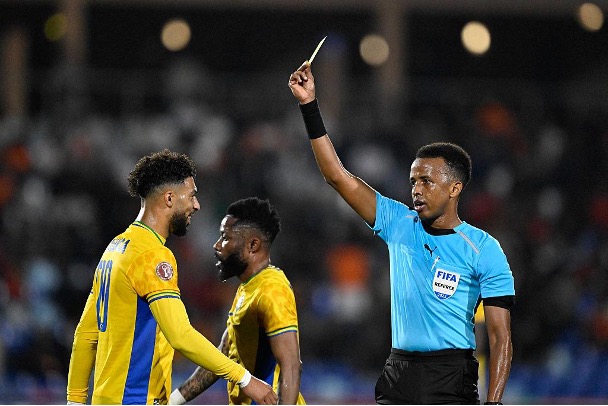
Disputed refereeing decisions.
Questionable disciplinary management.
Suspicions of interference.
In any competition, human error exists. But when “error” repeatedly appears to lean in one direction in the public imagination, it stops looking like a mistake—and starts looking like suspicion.
And in football, suspicion is more dangerous than defeat.
Samuel Eto’o and the Reform Front
Reportedly present at the meeting, Samuel Eto’o is said to have supported calls for deep reform of the refereeing commission.
Full dissolution?
Structural overhaul?
Independent audit?
The message is straightforward: you don’t paint over a cracked wall; you strengthen the foundations. Other federations, including Senegal, Egypt, and Nigeria, are also said to have expressed serious discomfort. What’s new here is not the existence of criticism. It is the convergence of criticism.
The Real Disease: Money or Silence?
President Motsepe, a successful businessman, regularly highlights financial progress: new sponsors, rising revenues, expansion projects, an enlarged AFCON, and new competitions. On paper, it’s impressive. But one question remains: what good are the numbers if credibility collapses?
African football doesn’t need only money. It needs trust. Without trust, a trophy becomes suspicious. Without trust, a victory becomes a controversy. Without trust, the public walks away.
When the Whistle Becomes a Tool
Imagine, for a moment, a CAF where:
Appointments are negotiated in private messages. Refereeing commissions are built between three “favorite contacts.” Press conferences talk revenue while uncomfortable questions are avoided. It would no longer be a sports confederation. It would be an opaque start-up of the beautiful game.
African football deserves better than a theatre of shadows. It deserves written procedures, formal votes, public records, and transparency strong enough to survive an audit.
The Risk to the Continent’s Image
Africa does not need another scandal. With FIFA watching governance closely, any perception of drift can lead to:
Loss of international credibility
Reduced political influence
Growing distrust from global sponsors
Weakened African weight inside world football institutions
Football is one of the few areas where Africa can still speak with one voice on the global stage. Weakening it through internal suspicion would be institutional self-sabotage.
The Real Choice: Reform or a Public Relations Curtain?
CAF now stands at a crossroads:
Either it opens books, reforms commissions, and publishes procedures,
Or it multiplies reassuring press conferences while distrust grows.
Sports history teaches one lesson: institutions that refuse self-criticism often end up being reformed from the outside. And no leader truly wants that.
Conclusion: The Whistle Must Remain Sacred
African football is a passion.
It is identity.
It is continental pride.
If refereeing becomes suspect, if appointments look opaque, if absences replace explanations, then the problem goes far beyond a single match.
It touches the honor of sport. CAF can still turn this crisis into an opportunity. But it will take more than a statement. It will take courage and, above all, transparency.
USAFRICA NEWS will continue to follow this story. Because African football deserves light, not the shadow of suspicion.


